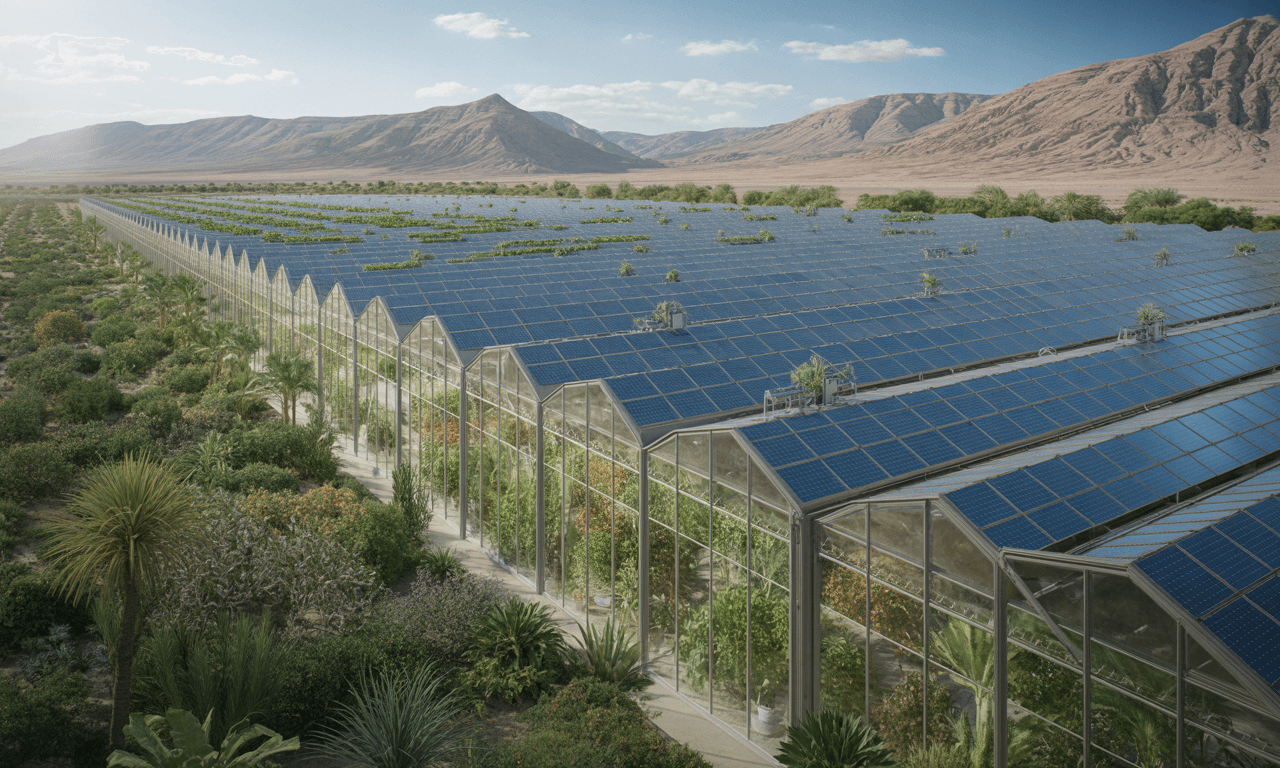
We don't pick between food and power.
Agrivoltaics solves the land-use trade-off that conventional ground-mount solar can't. Done well, the solar array helps the crops underneath — and the landowner earns two revenue streams from the same parcel.
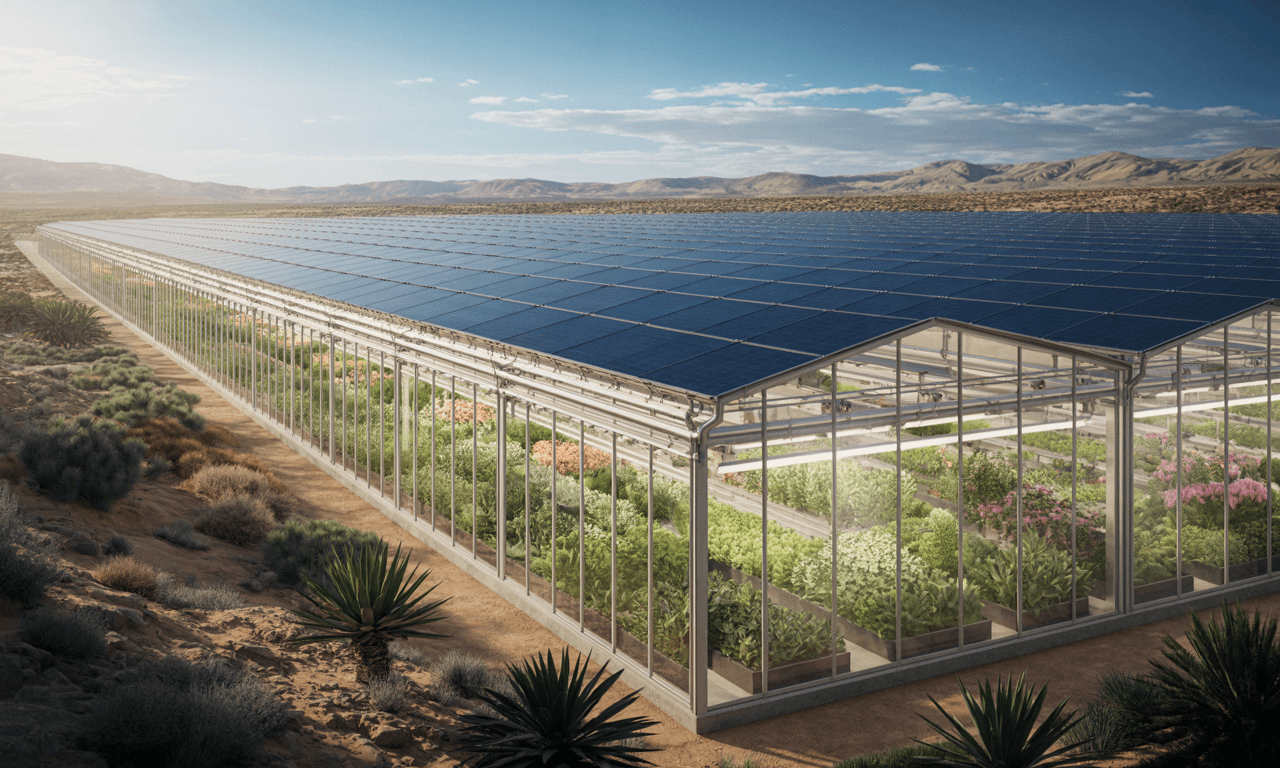
Shade is a feature.
Partial shade from elevated panels reduces ambient soil temperature, cuts irrigation demand, and protects sensitive crops from peak-irradiance damage.
- • Reduces heat stress
- • Reduces evaporation
- • Extends growing windows
Two revenue streams.
The landowner gets crop revenue and a share of the energy revenue. The developer gets a permitting story that survives community consultation.
- • Co-revenue contracts
- • Landowner participation
- • Faster permitting
Bifacial gains.
Crops underneath reflect diffuse light onto the rear-side of bifacial panels — measured gains of 4–7% on yield versus equivalent ground-mount in our pilots.
- • Bifacial advantage
- • Higher PR in cool seasons
- • Lower panel temp
Erbil agrivoltaic greenhouse.
240 hectares. Audited.
The Wattrex flagship for the dual-use thesis. Elevated arrays above climate-controlled greenhouses, paired with conventional ground-mount on adjacent parcels for a like-for-like comparison.
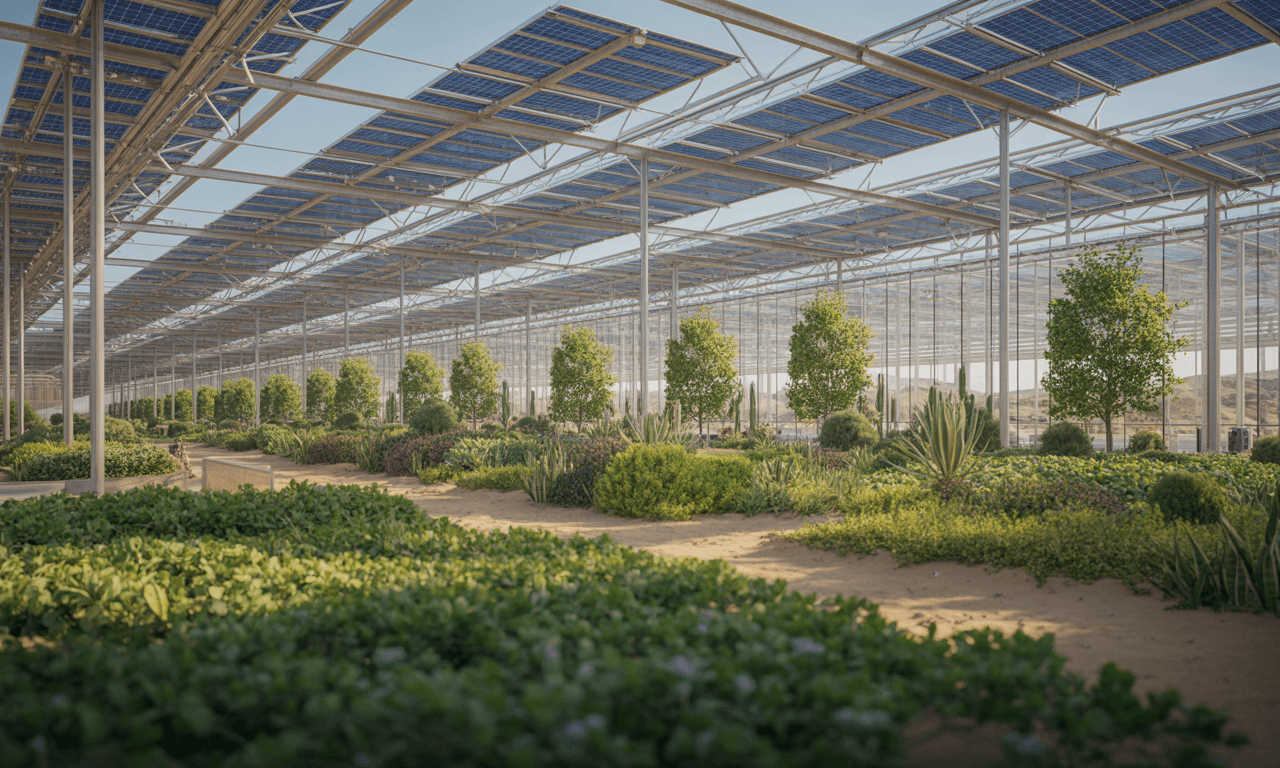
Measured outcomes, Erbil pilot:
- +60%
Combined revenue per hectare vs. crop-only control.
- −29%
Irrigation water demand in shaded zones.
- PR 86%
Performance ratio — above design target, helped by bifacial rear gain.
- −8°C
Average ambient cooling in greenhouse shaded zones during peak summer.
From assessment to commissioned plant.
Single-contract EPC delivery. We handle engineering, procurement, and construction — you focus on your land or your portfolio.
Feasibility Assessment
2–3 weeks, free. We evaluate your land, grid connection, and projected ROI.
Engineering Design
4–8 weeks. Full electrical and structural design package.
Build & Commission
Timeline depends on project scale. Single-contract EPC delivery.
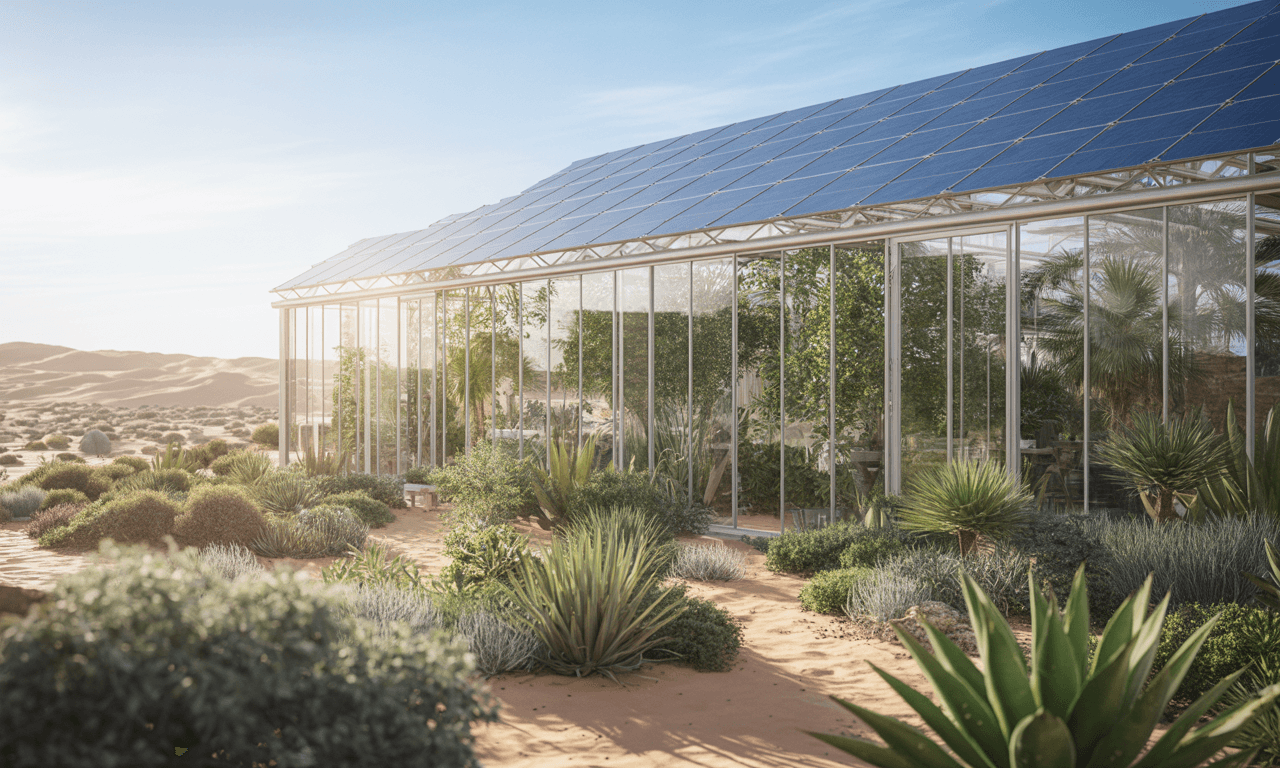
Co-revenue contracts on the land you already farm.
You keep the crop. We share the energy revenue. The land is more productive than it was before — measurably.
Agrivoltaics is a permitting story your community will accept.
Pure ground-mount solar increasingly fails community-consultation hurdles. Agrivoltaics tells a story the consultation committee will sign.
Tell us about your project.
Our senior engineers review every submission. You'll hear back within 1 business day.
- Free — no cost, no obligation
- Reply within 1 business day
- Senior engineer on every review